What Is a Burial Vault — and Do You Really Need One
What Is a Burial Vault — and Do You Really Need One?
By Ralph Torres | Torres Cremation and Burial Services
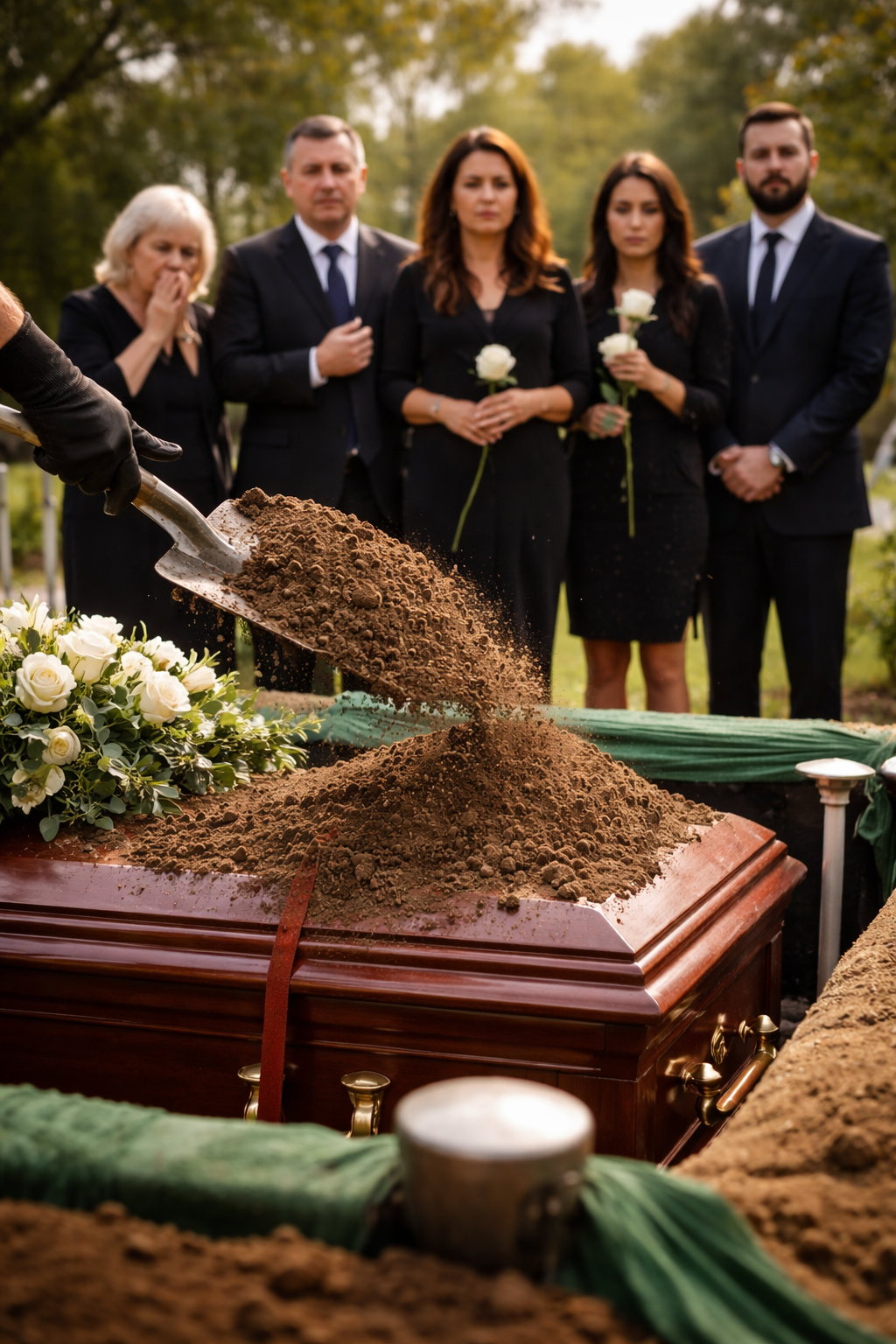
When families are planning a burial, one of the line items that sometimes catches them off guard is the burial vault. It's not something most people have thought about before, and when it comes up during arrangements, a common question follows: "What exactly is this for?"
It's a fair question, and the honest answer is a little different from what some families assume. Let me explain what a burial vault actually does — and what it doesn't do.
What a burial vault is
A burial vault is an outer container — typically made of concrete, though some are lined with steel, plastic, or other materials — that the casket is placed inside before burial. It sits in the ground and completely encloses the casket.
They come in different grades and materials. A basic concrete grave liner is the most common and least expensive option. Higher-end vaults are reinforced, lined with protective materials, and sealed more tightly. Prices vary significantly depending on the cemetery and the product selected.
Why cemeteries require them
Here is the part that surprises many families: burial vaults are required primarily by the cemetery — not by state law, and not to preserve the casket.
The real reason is ground maintenance. Over time, as a casket breaks down underground, the soil above it can shift and sink, creating uneven ground across the cemetery. This is a practical and safety problem — it makes it difficult to maintain the grounds, to mow safely, and to keep the cemetery looking cared for. A burial vault provides a rigid outer structure that holds the ground in place and prevents that settling.
Most cemeteries in California require either a burial vault or a grave liner as a condition of burial in their grounds. It is a cemetery policy — not a state mandate — and it exists primarily to protect the integrity of the grounds over decades and generations.
What a burial vault does not do
This is the misconception worth clearing up directly: a burial vault is not designed to preserve the casket, and it does not prevent the natural process of decomposition. Some families hear the word "vault" and imagine something hermetically sealed, something that protects their loved one from the elements indefinitely. That is not what it is.
Even sealed, high-end vaults are not airtight or waterproof over the long term. Groundwater, soil pressure, and time will eventually affect everything underground. The vault's job is to protect the ground above — not to preserve what is inside. Funeral homes and vault manufacturers that suggest otherwise are not being fully honest with you.
If a family's goal is preservation, cremation with a sealed urn, or entombment in a mausoleum above ground, would be far more effective options.
How long do burial vaults last?
A quality concrete vault will hold its structural integrity for many decades — in many cases, 100 years or more under normal conditions. The ground above it should remain stable for the life of the cemetery plot.
Whether the vault is lined, reinforced, or sealed will affect how well it resists water intrusion over time, but again — these upgrades protect the structure of the vault itself, not the casket or remains inside. The natural process underground will proceed regardless.
Do you have to buy the vault from the cemetery?
Not always, but many cemeteries have policies that require you to purchase the vault through them or use one from an approved supplier. It is worth asking directly. In some cases, families can purchase a vault from a third party and have it delivered — just as the FTC's Funeral Rule gives families the right to purchase a casket elsewhere and have it accepted without a surcharge.
If cost is a concern, ask specifically about a basic concrete grave liner, which meets most cemetery requirements at a lower price point than a premium sealed vault.
The bottom line
A burial vault is a real requirement at most cemeteries, and it does serve a genuine purpose — protecting the stability of the cemetery grounds over time. But it is a cemetery maintenance tool, not a preservation device. Understanding that distinction helps families make decisions based on what is actually true rather than on assumptions or sales pressure.
If you have questions about burial requirements at a specific cemetery, or want to understand your options before making any decisions, we are happy to walk you through it. That is exactly what we are here for.
Ralph Torres | Founder, Torres Cremation and Burial Services
Veteran-owned. Family-operated. Serving Southern California since 2014.
📞 Torres Cremation and Burial Services — (626) 872-0021 | torresmortuary.com