Are There Things That Can't Be Cremated?
Are There Things That Can't Be Cremated?
By Ralph Torres | Torres Cremation and Burial Services
When families choose cremation, they sometimes assume the process is straightforward — that everything simply goes in together and comes back as ashes. For the most part, that's true. But there are a number of items and medical devices that cannot go into a cremation retort, some for safety reasons, some for legal reasons, and some for both.
This is not meant to be alarming. It's practical information that helps families prepare, and it's the kind of thing a good funeral home will ask you about from the very first conversation.
The most important one: pacemakers
If your loved one had a pacemaker — or any implanted cardiac device such as an ICD (implantable cardioverter-defibrillator) — this is the single most critical piece of information you can give us when you call.
A pacemaker contains a battery and sealed electronic components. Under the extreme heat of cremation, which reaches temperatures between 1,400 and 1,800 degrees Fahrenheit, that battery can explode. We are not talking about a small pop — it is a serious explosion capable of damaging the cremation equipment, injuring staff, and disrupting the process entirely.
This is why pacemakers must be removed by a licensed medical professional before cremation can take place. It is a straightforward procedure, but it requires advance notice so it can be arranged in time. If we know on day one, we handle it. If we find out at the last moment — or not at all — it creates real problems that affect the timeline and, more importantly, the safety of our staff.
Please tell us. Even if you're not certain whether your loved one had one, tell us what you know and we will verify it with the hospice, hospital, or attending physician. It is one of the first questions we ask, and there is never any judgment attached to it — we just need to know.
Other implanted electronic devices carry the same risk and require the same attention: neurostimulators, insulin pumps with batteries, certain drug infusion devices, and radioactive implants used in cancer treatment. If you are aware of any implanted medical device of any kind, share it with us.
Items placed with the body
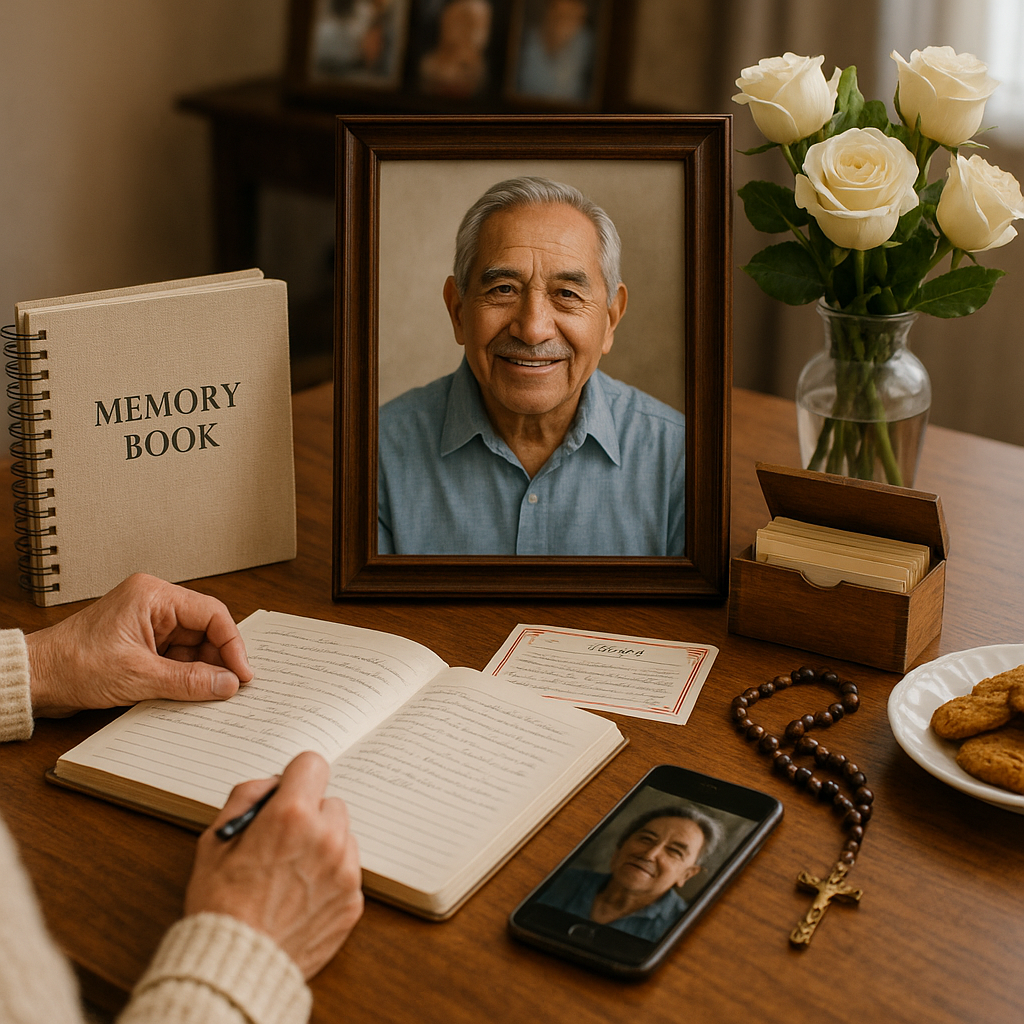
Families sometimes want to include meaningful items with their loved one during cremation — a photograph, a letter, a rosary, a small keepsake. Many of these are perfectly fine. Others are not, and it's worth knowing the difference before the day of the service.
Thick foam rubber, fiberglass, and certain synthetic materials produce toxic fumes when burned and cannot go into the retort. Glass items, metal objects thicker than thin jewelry, and sealed containers of any kind — including bottles or jars — cannot be cremated safely. Anything pressurized is a serious hazard.
Natural materials — thin paper, cloth, wood, dried flowers, thin leather — are generally acceptable. If you want to include something and you're not sure, ask us. We will tell you honestly whether it's safe, and in some cases we can return the item to the family after the cremation rather than including it.
What about jewelry and personal items on the body?
This is a question families often feel awkward asking, but it's an important one. Gold, silver, and most metals will survive the cremation process but will not look the same afterward — they will be misshapen and embedded in the remains. They are typically separated out during the processing of the ashes.
If jewelry or a personal item has sentimental value and the family wants it returned, we need to know before cremation begins. Once the process starts, retrieval is not possible. We will carefully remove and set aside anything you designate beforehand and return it to you with the ashes.
The same applies to dental gold. If you would like it recovered, let us know in advance.
Clothing and the casket or container
The container the body is placed in for cremation — whether a cremation casket, a rental casket used for a viewing, or an alternative container — must be made of combustible materials. Caskets with metal handles, thick rubber seals, or fiberglass panels require special handling or substitution before cremation. We manage this routinely, but it's another reason that communication between family and funeral home matters from the start.
Natural fiber clothing is fine. Polyester and synthetic fabrics are generally manageable in small quantities but can affect the process if used heavily. Again — if you have a specific outfit in mind for your loved one, talk to us and we'll let you know if there's anything to consider.
When in doubt, tell us everything
The overarching principle here is simple: the more we know about your loved one's medical history and your wishes for items to include, the better we can serve you and the safer the process is for everyone.
Nothing you tell us will be judged. We have heard everything, and our only concern is doing this right. If something comes up after arrangements have been made — you remembered a device, or found something you'd like included — call us immediately. We would always rather know early than discover something at the wrong moment.
Choosing cremation is a meaningful decision, and we are committed to carrying it out with the care and professionalism your loved one deserves. If you have questions about what to expect, or what information to have ready when you call, we are here for you around the clock.
Ralph Torres | Founder, Torres Cremation and Burial Services
Veteran-owned. Family-operated. Serving Southern California since 2014.
📞 Torres Cremation and Burial Services — (626) 872-0021 | torresmortuary.com